The 15-Day Celebration of Chinese New Year 2025
Here's how to celebrate your 15 days of Chinese New Year: enjoy family feasts, give red envelopes, light firecrackers, honor ancestors, and end with the glowing Lantern Festival!
Day 1: Beginning of the New Year (初一, Chūyī)
-
Activities:
-
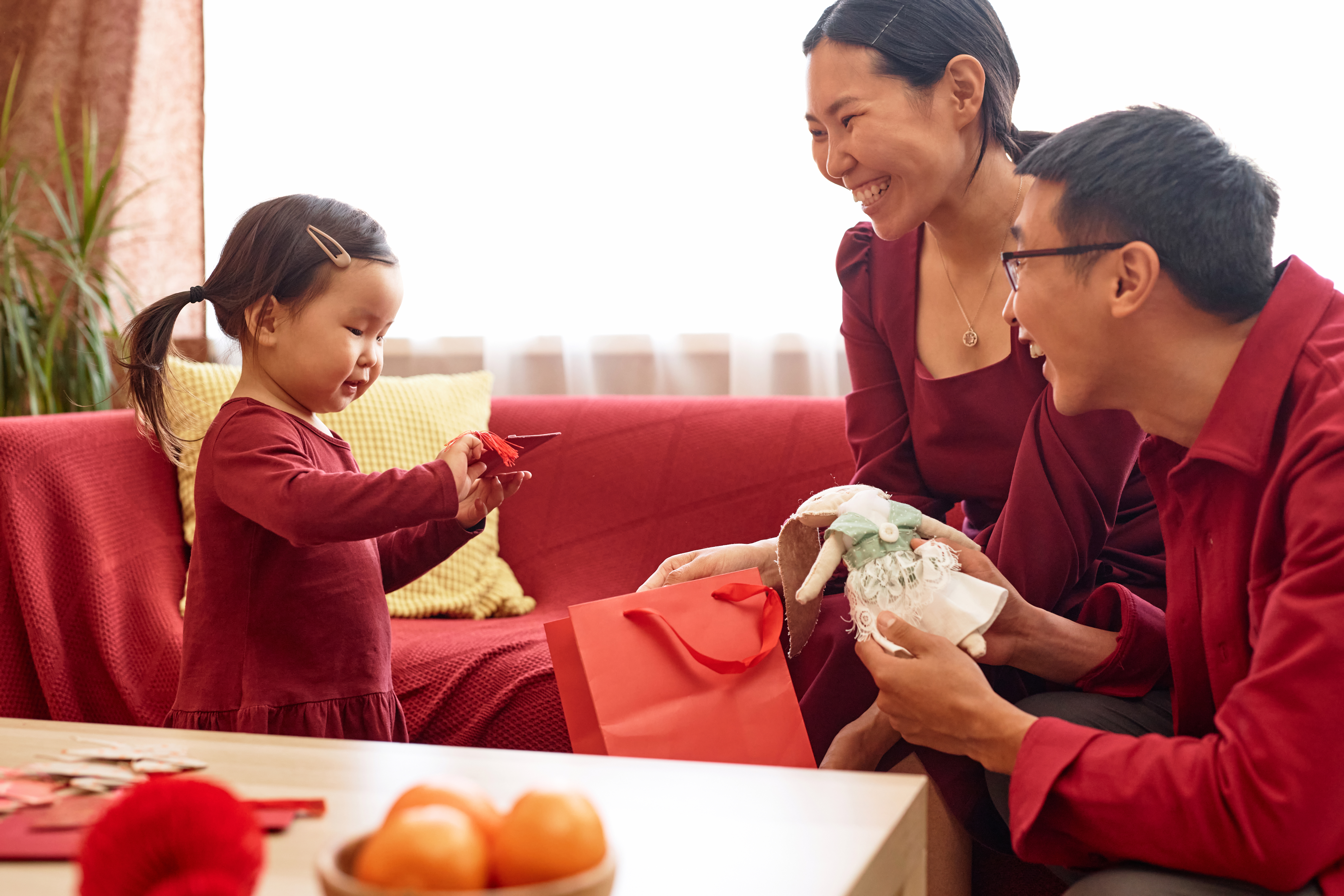
Family visits, honoring ancestors, and giving blessings.
-
Firecrackers are set off to ward off evil spirits.
-
Elders give red packets (hóngbāo) to children for good luck.
-
Meat-free meals are common as a sign of purification.
-
-
Symbolism:
-
Welcoming the gods of heaven and earth.
-
Day 2: Welcoming the Son-in-Law (初二, Chū’èr)
-
Activities:
-
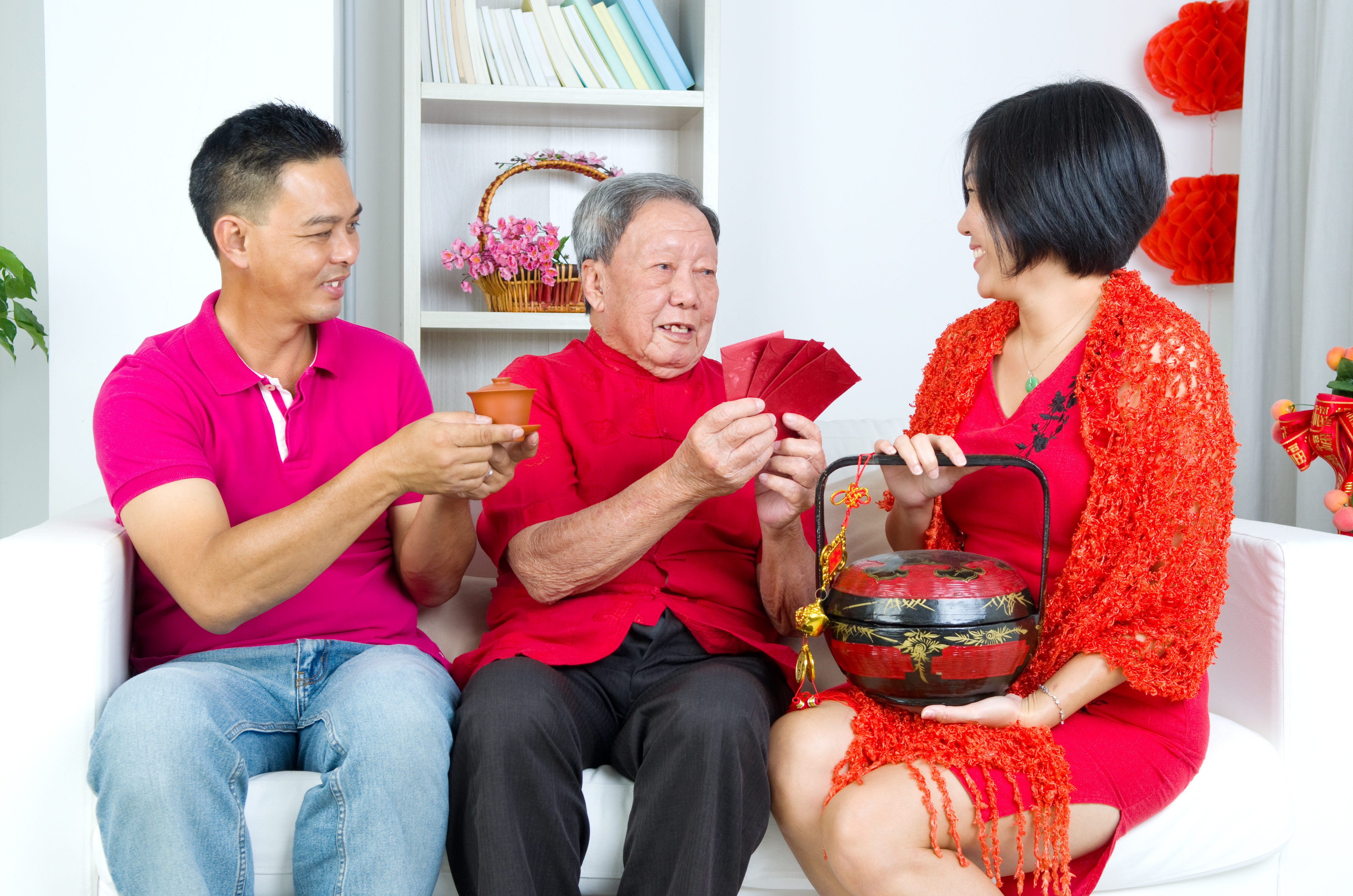
Married daughters visit their parents with their husbands and children.
-
Offerings are made to ancestors.
-
Special prayers for wealth and good fortune are conducted.
-
-
Symbolism:
-
Strengthening family bonds.
-
Day 3: Day of the Red Mouth (赤口, Chìkǒu)
-
Activities:
-
Traditionally avoided for visiting others, as it's believed arguments are more likely.
-
Some families stay home or visit temples to pray for peace.
-
-
Symbolism:
-
Avoiding disputes and bad luck.
-
Day 4: Return of the Kitchen God (初四, Chūsì)
-
Activities:
-
Offerings are made to the Kitchen God (灶神, Zào Shén) upon his return from reporting to heaven.
-
Preparations for welcoming the deities the next day.
-
-
Symbolism:
-
Respecting deities and maintaining household blessings.
-
Day 5: Birthday of the God of Wealth (初五, Chūwǔ)
-
Activities:
-
Businesses reopen, accompanied by firecrackers to invite wealth.
-
Dumplings are often eaten, as they resemble gold ingots.
-
-
Symbolism:
-
Celebrating wealth and prosperity.
-
Day 6: Sending Away the Ghost of Poverty (初六, Chūliù)
-
Activities:
-
Cleaning the house to symbolically rid it of poverty.
-
Visiting friends and family resumes.
-
-
Symbolism:
-
Clearing out the old to make room for new opportunities.
-
Day 7: Renri (人日, Rénrì)
/55405_original.jpg)
-
Activities:
-
Celebrating "Everyone's Birthday", as the 7th day is considered the day humans were created.
-
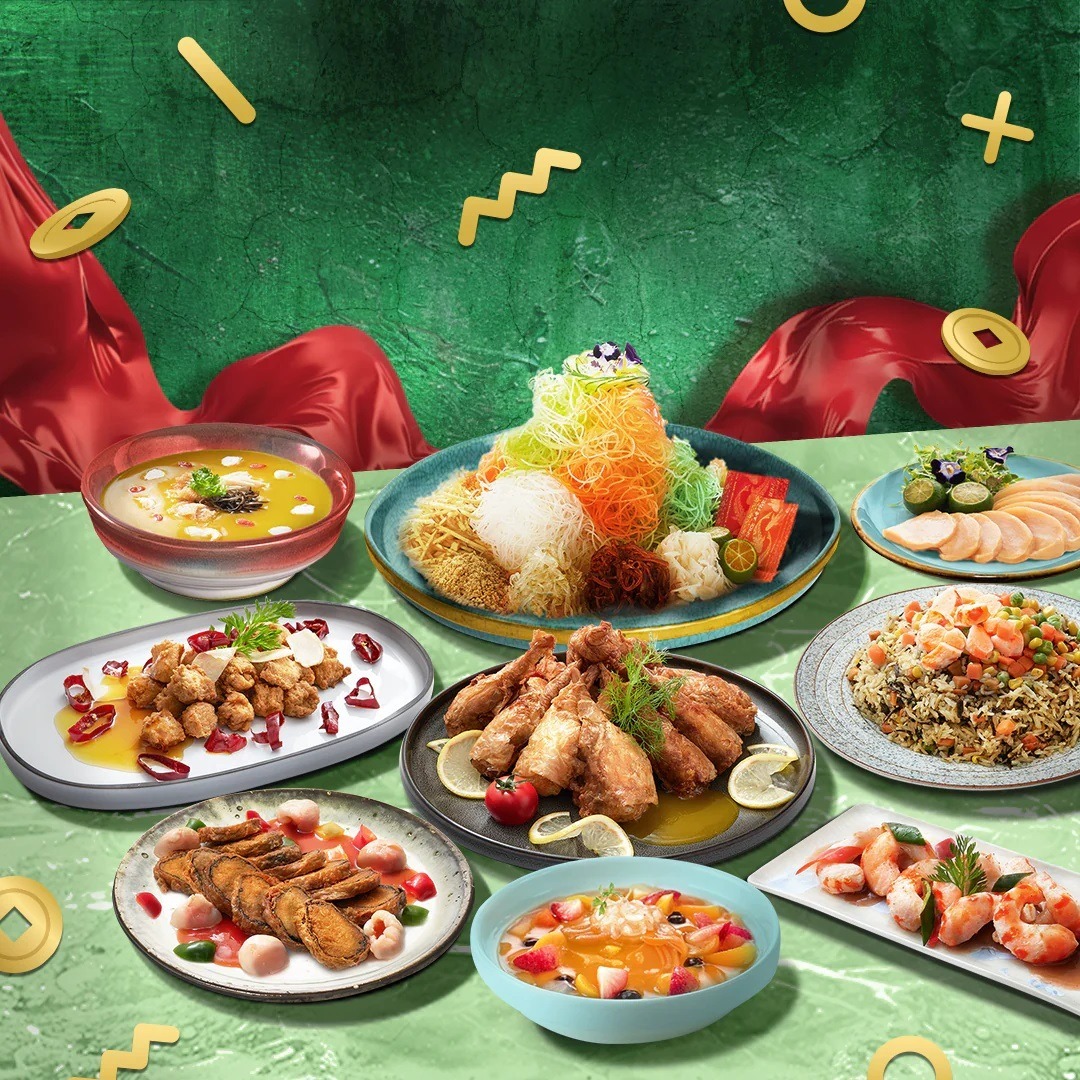
People eat yusheng (鱼生), especially in Singapore and Malaysia, symbolizing prosperity.
-
-
Symbolism:
-
Wishing health and longevity for all.
-
Day 8: Prayers to the Jade Emperor (初八, Chūbā)
-
Activities:
-
Offerings are made to the Jade Emperor (玉皇大帝) in the evening.
-
Many families hold reunions to mark the occasion.
-
-
Symbolism:
-
Seeking blessings and protection.
-
Day 9: Celebrating the Jade Emperor’s Birthday (初九, Chūjiǔ)
-
Activities:
-
Particularly important among the Hokkien community.
-
Elaborate rituals, including incense and food offerings, are held.
-
Symbolism:
-
Honoring the Jade Emperor for blessings and health.
-
Day 10-12: Continuation of Festivities
-
Day 10 (初十): A day for more feasts with friends and family.
-
Day 11 (十一): Sons-in-law host meals for their parents-in-law.
-
Day 12 (十二): Preparations begin for the Lantern Festival.
Day 13: Purification Day (初十三, Chūshísān)
-
Activities:
-
Simple vegetarian meals are eaten to cleanse the body after indulgent feasting.
-
Homes and altars are cleaned.
-
-
Symbolism:
-
Purifying the body and mind.
-
Day 14: Preparation for the Lantern Festival
-
Activities:
-
Families prepare lanterns, decorations, and riddles.
-
Food preparation for the festival.
-
-
Symbolism:
-
Anticipation and hope.
-
Day 15: Lantern Festival (元宵节, Yuánxiāo Jié)
-
Activities:
-
Lantern displays and riddle-solving.
-
Eating tangyuan (glutinous rice balls) to symbolize family unity.
-
Dragon and lion dances, fireworks, and other festive events.
-
-
Symbolism:
-
Celebrating unity, joy, and the first full moon of the year.
-
If you're looking to make your celebrations even more special with delicious Chinese New Year 2025 menus, FoodLine still has available slots for you. Browse and order here!


 and revisit our site to complete the process.