Are My Fabric Masks Effective?
I’m sure you’d know by now that masks aren’t going anywhere anytime soon, and with the growing competition of masks design in the fashion industry, people are producing more and more fabric masks with beautiful designs. However, no matter how amazing they look on you, are they actually effective in preventing what they were originally made for – to filter out unwanted particles?
Cotton
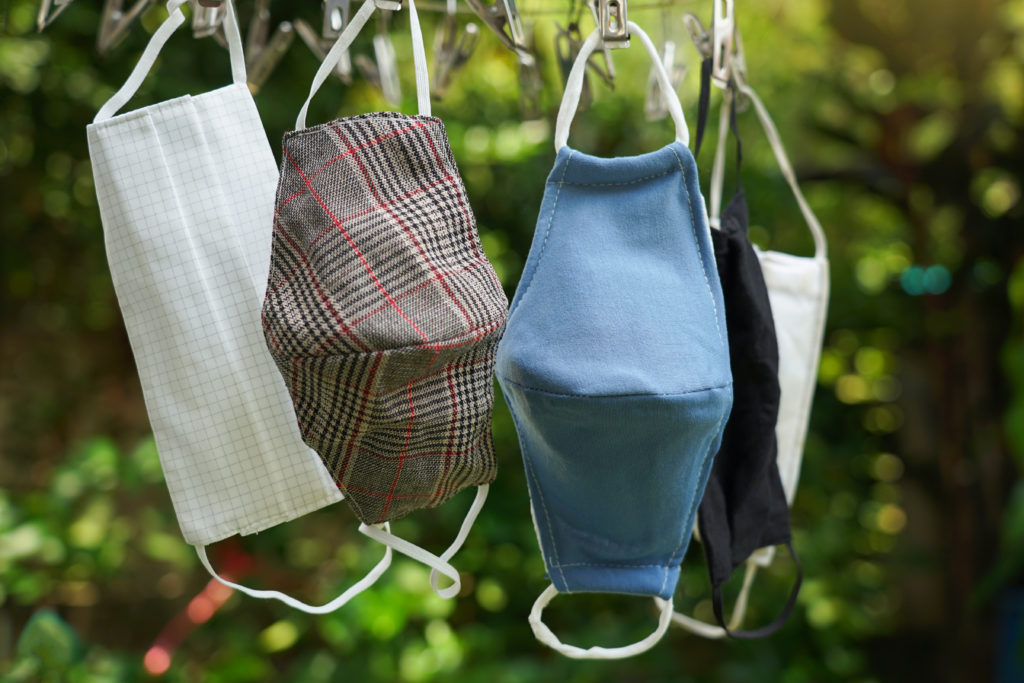
The most common material for fabric face masks, cotton has tiny fibers that may stop unwanted particles from entering and are ultimately one of the most effective materials. However, the tricky thing about cotton is that there are many kinds of materials that use cotton and their permeable abilities do vary.
Canvas: Often made from cotton, canvas can filter out 84% of large particles and 19% of small particles, which is definitely a good number of unwanted particles being filtered out. However, it may be hard to breathe.
Denim & bed sheets: With 120 thread count these materials can filter out 90% of large particles and 24-29% of small particles. Being more effective than canvas, they’re a better choice. Plus, denim masks sound really cool to me!
Cotton T-shirts & bandanas: Captures only less than 10% of small particles, I’d say stay away from them.
Nylon
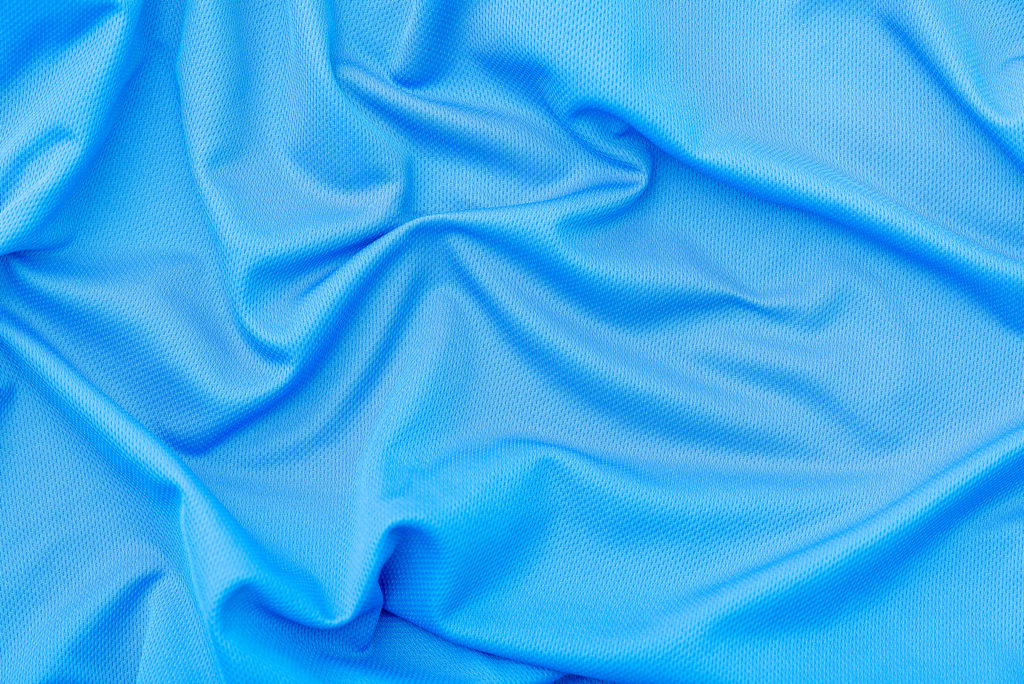
Effective at filtration, nylon is able to filter up to 77% of large particles and 12% of small particles. However, it’s being ranked lowest according to its breathability, similar to canvas. This is important because if you can’t breathe through the masks, the air will bypass through the sides of the mask which eventually makes the masks ineffective.
Paper materials
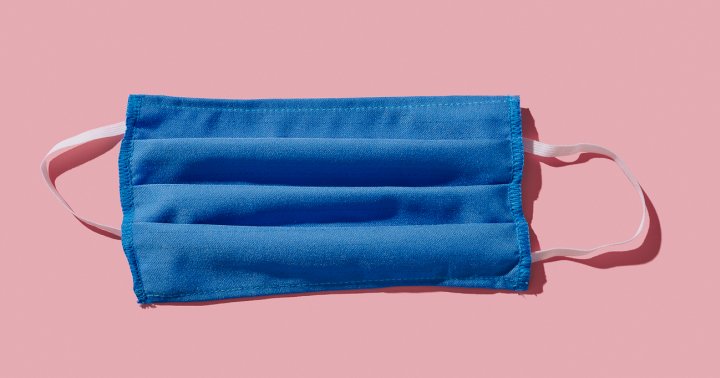
Image from Flipboard
Paper towels and shop towels provide a good amount of protection and breathability. Interestingly, coffee filters are also effective, but you might not be able to breathe through it easily.
Natural fiber
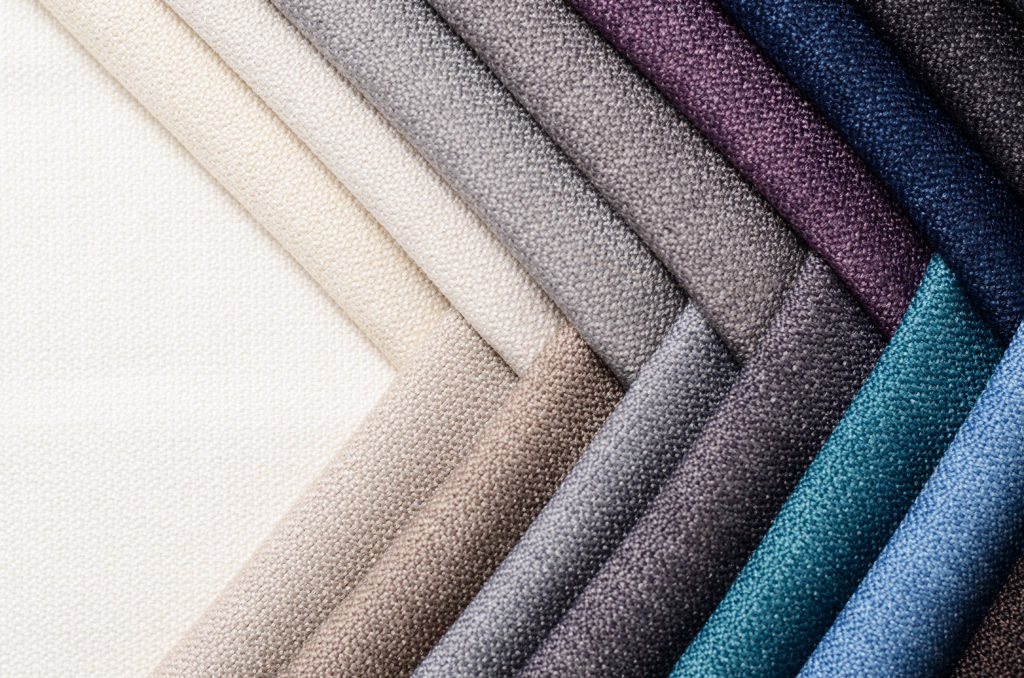
Natural fibers are recommended over synthetic fibers. The roughness and irregularity of materials like paper and cotton do allow the boosting of filtering capabilities.
Wool, cashmere, and ramie
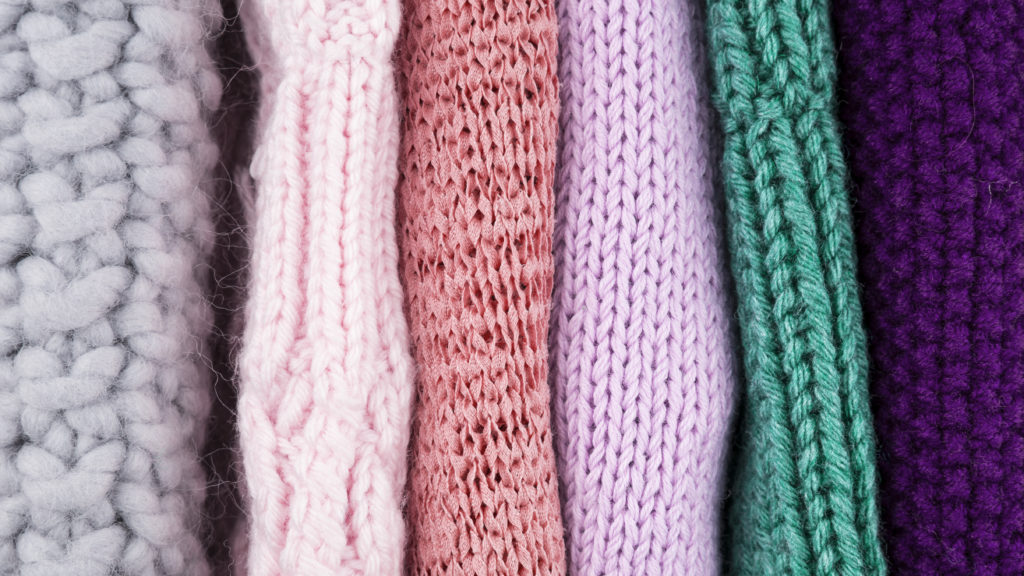
Due to the loose weaves found in these materials, they actually have the worst filtration capabilities and you should avoid these materials as masks!
Tips:
Choose woven fabrics over knits and those with multiple layers as the tighter the weave, the better the protection, but do still make sure that you are able to breathe through it comfortably!
Avoid porous materials and materials with large openings.
Avoid fabrics that have been bleached or processed with harsh chemicals.
No matter how beautiful that mask is, do always remember that it should protect you first!


.webp "10 Affordable Teachers’ Day Gifts Under $20 in Singapore (2026)")


.webp "Mini Buffet Catering for 10–15 Pax in Singapore: Best Options for Small Groups From $11.90/pax!")
 and revisit our site to complete the process.