How Cooking Affects the Nutrient Content of Foods
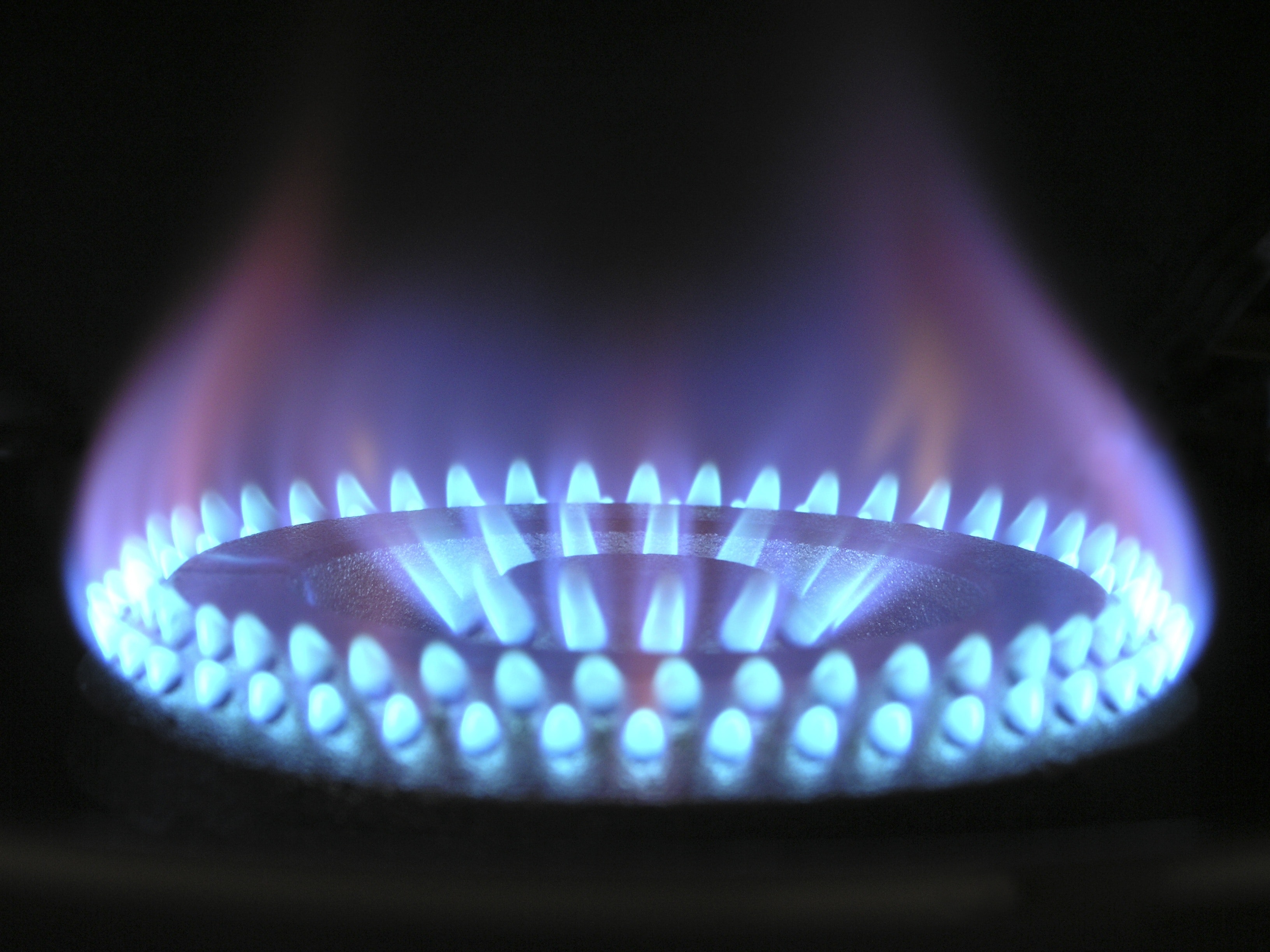
When we are cooking our meals, there are two main things that come to our mind, making the food flavourful and maximizing the nutrient content that we get from them. However, the cooking method that you choose will affect the nutrients level greatly. This article is written to give you insights on some of the most common types of cooking methods and how they affect the nutrient contents of the food.
Boiling, Simmering, and Poaching
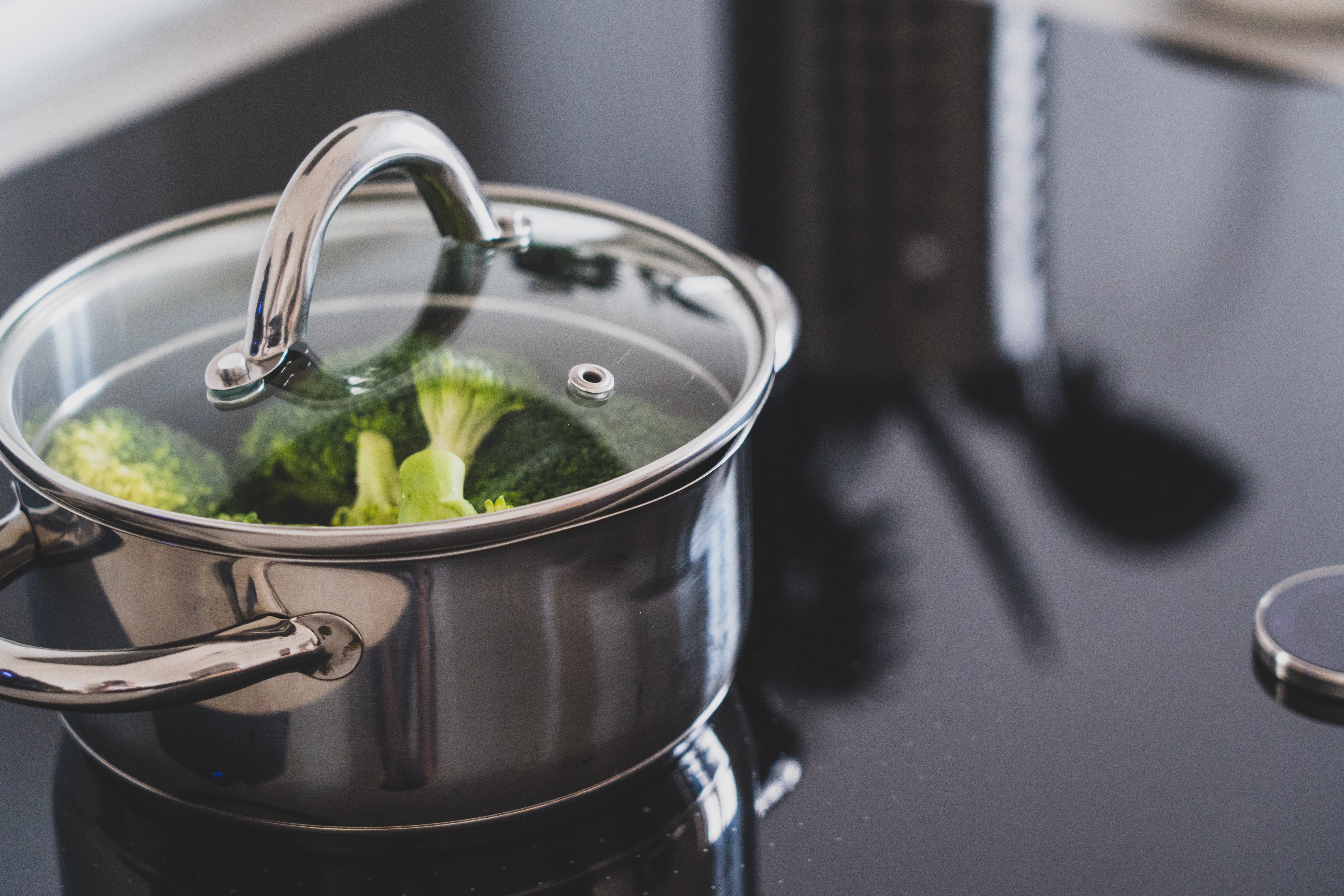
Photo by Castorly Stock from Pexels
These three types of cooking methods are similar as it is water-based cooking. The main difference between these cooking methods is based on their water temperature.
Poaching: Less than 180°F/82°C.
Simmering: 185–200°F/85–93°C.
Boiling: 212°F/100°C.
For example, vegetables generally are a great source of Vitamin C, however, most of the Vitamin C are lost when cooking in water. When you choose to boil your vegetables like spinach, broccoli, or lettuce, they might lose up to 50% of their Vitamin C content. This is because Vitamin C is water-soluble and is sensitive to heat. In addition, the B vitamins that are in the vegetables are also sensitive to heat which can be lost up to 60%. If you are looking to preserve the Vitamin C of your vegetables, you should avoid boiling as it reduces Vitamin C more than other cooking methods.
Sautéing and Stir-Frying
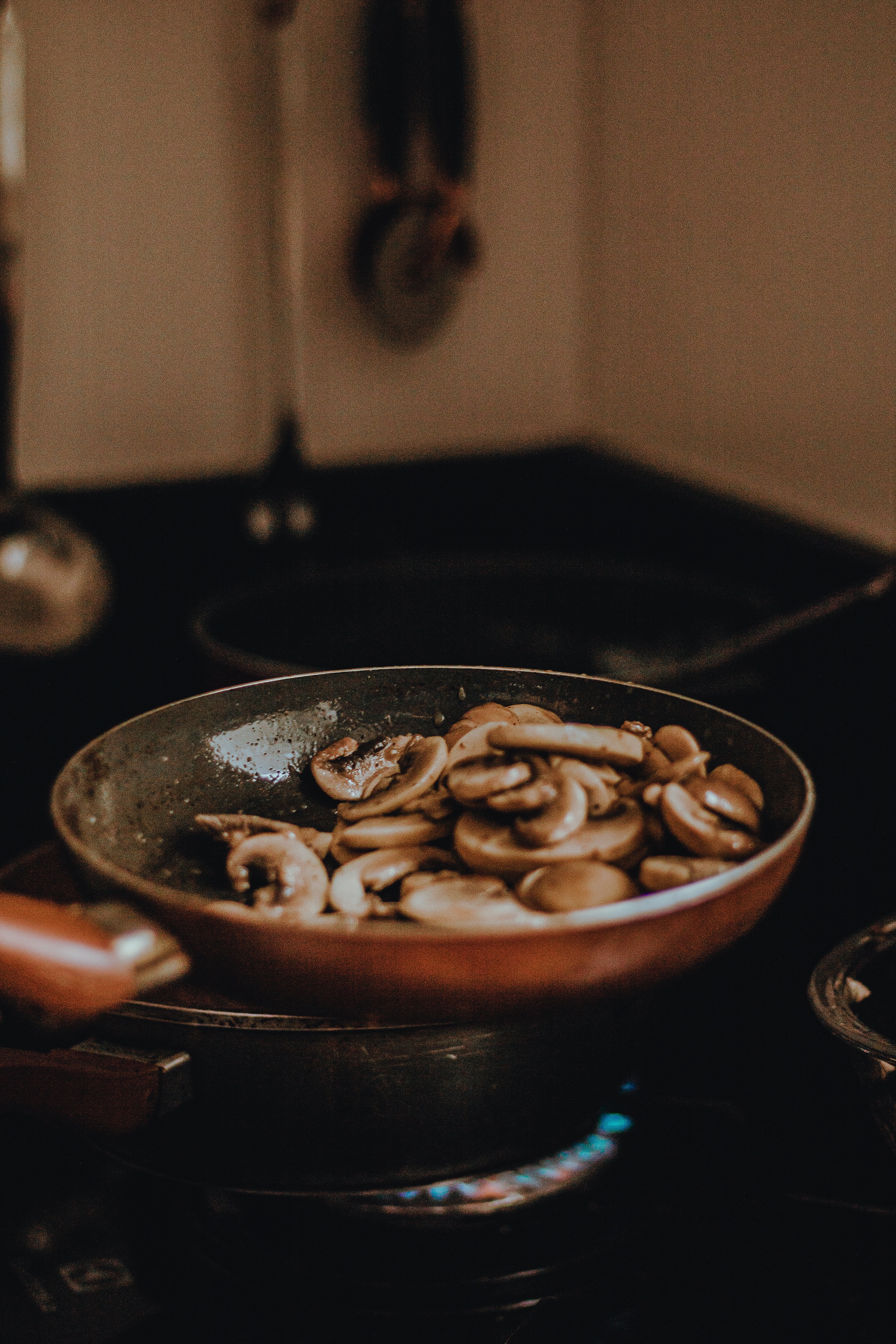
Photo by Marina Utrabo from Pexels
Sautéing and Stir-Frying is a cooking method that involves cooking food on a saucepan with a small amount of oil or butter over medium or high heat. Generally, this is a healthy way to prepare food as the food is being cooked in a shorter time frame which prevents the loss of B vitamins, and the addition of fat improves the absorption of plant compounds and antioxidants.
Frying
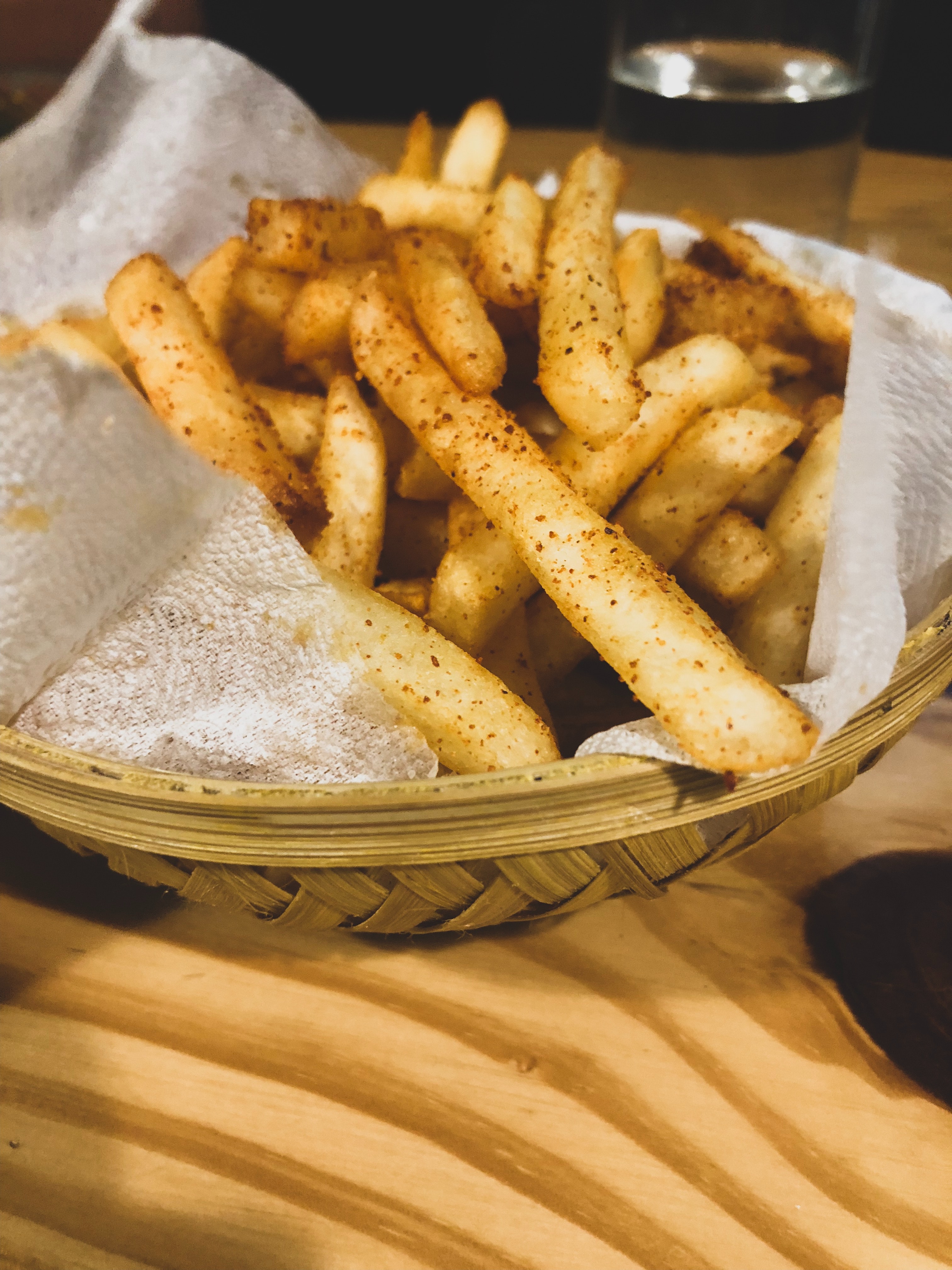
Photo by Glady Francis from Pexels
Frying is a cooking method that involves cooking food in a large amount of oil and at a high temperature. It's a popular cooking method as the coating of the food would have a crispy texture while the inside of the food will remain juicy and tender. However, not all foods are appropriate for frying. For instance, if you try to fry fatty fish, you will affect the omega-3 fatty acids since they are prone to high temperatures. Also, frying your food for long periods of time may be dangerous as aldehydes are formed in oil with high temperatures. This substance is toxic and can cause cancer and other diseases.
In conclusion, there's a wide array of different cooking methods that you can choose from! If you are looking to cook vegetables, sautéing and stir-frying would be a better choice as lesser vitamin C and B are lost in the cooking process!


.webp "10 Affordable Teachers’ Day Gifts Under $20 in Singapore (2026)")


 and revisit our site to complete the process.