Is Canned Food Good or Bad?
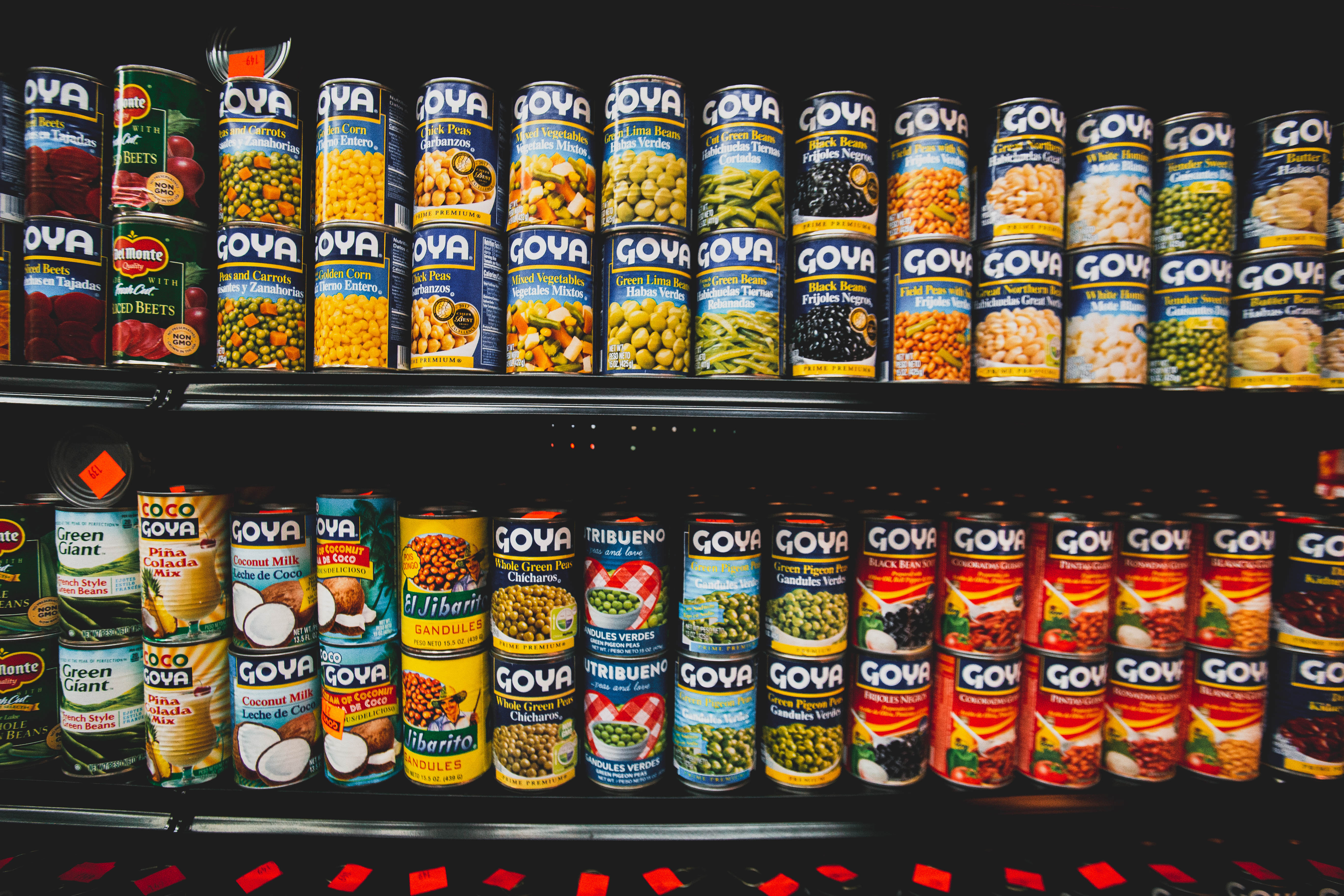
Photo by edwin josé vega ramos from Pexels
Canned foods are often regarded as less nutritious as compared to fresh or frozen foods. There are many misconceptions that surround canned foods as some people believe that they are harmful, while others believe that they can be part of a healthy diet. Today, I'll be sharing with you whether canned foods are good or bad for you!
Canned Food
Canned foods are preserved foods that are sealed in airtight containers to be stored for long periods. This allows the food to still be safe for consumption up to 5 years. Some canned foods available include fruits, vegetables, soups, meat, and beans.
Research has shown that canned foods are not always less nutritious as compared to fresh or frozen foods. In fact, canned foods retain most of the food's nutrients. Some nutrients such as protein, carbs, and fats are unaffected by the canning process. Most minerals and fat-soluble like vitamins A, D, E, and K are also retained. This goes to show that foods that are canned can still be nutritious as they can retain their high nutrients level.
Affordable and convenient
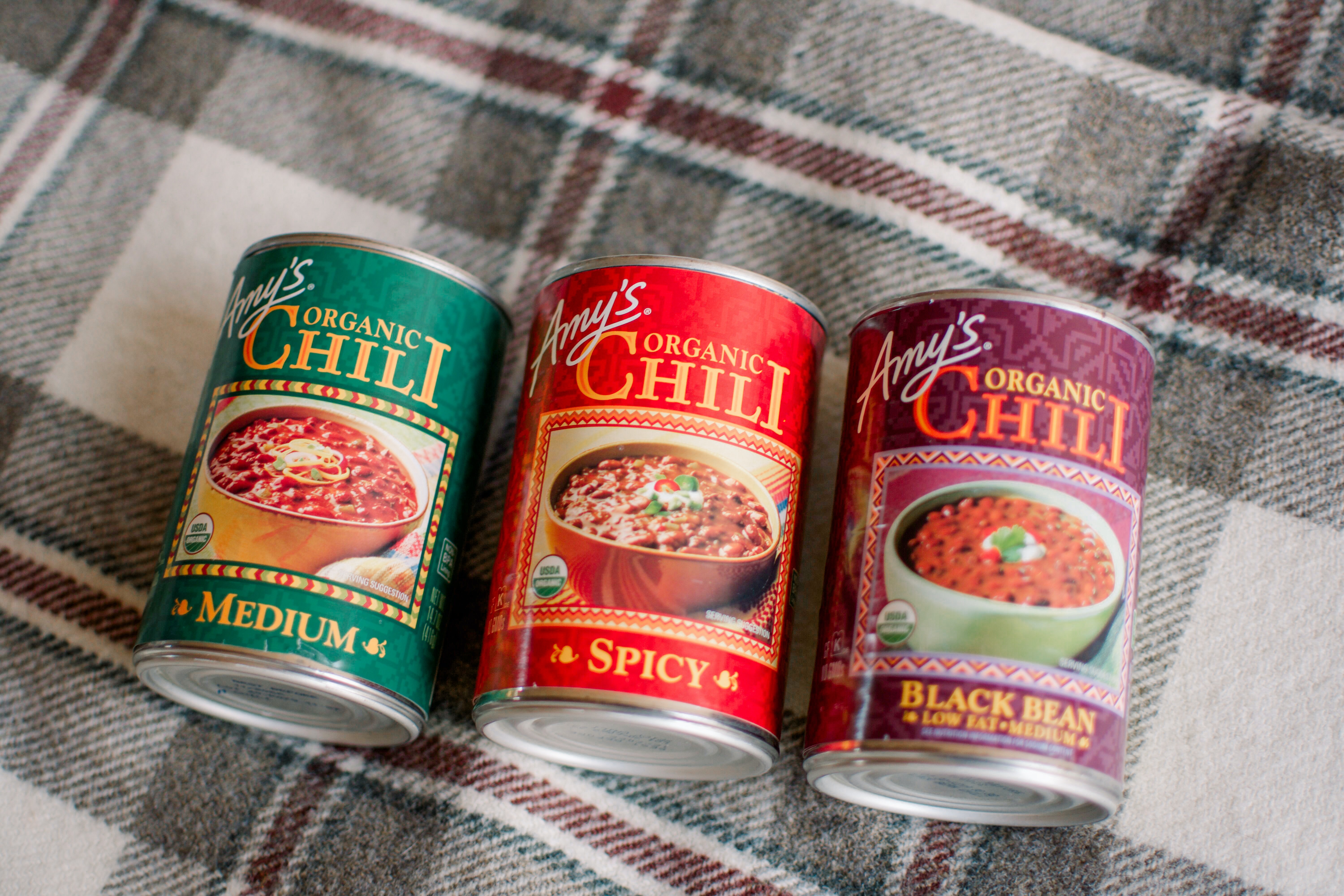
Photo by Andrea Davis on Unsplash
If you're looking for ways to incorporate nutrient-dense foods into your diet, canned food is your option! Canned foods are affordable and convenient as they often cost lesser than fresh products and require minimal prepping time before consuming. Furthermore, they can be easily found in almost every convenient store!
Contain trace amounts of BPA
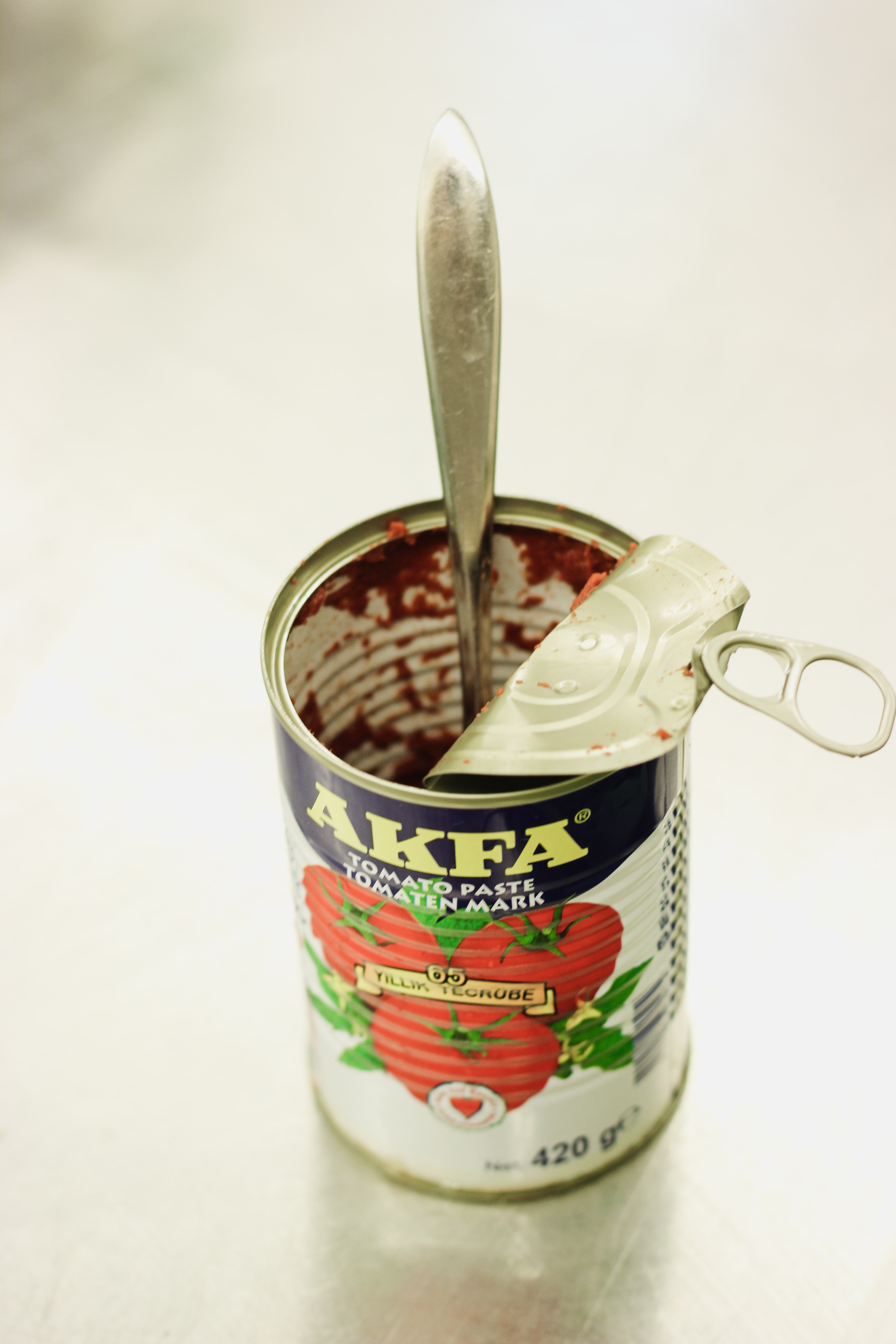
Photo by Micheile Henderson on Unsplash
Canned foods may contain BPA (bisphenol - A) which is a type of chemical that is found in food packaging, including cans. Studies have shown that BPA can be found in the food itself as it is exposed to the can's lining. Another study has also found that out of 78 canned foods, 90% of the canned foods contained BPA in them. When BPA is consumed, it can lead to health problems such as heart disease, type 2 diabetes, and male sexual dysfunction.
Contain added salt, sugar, or preservatives
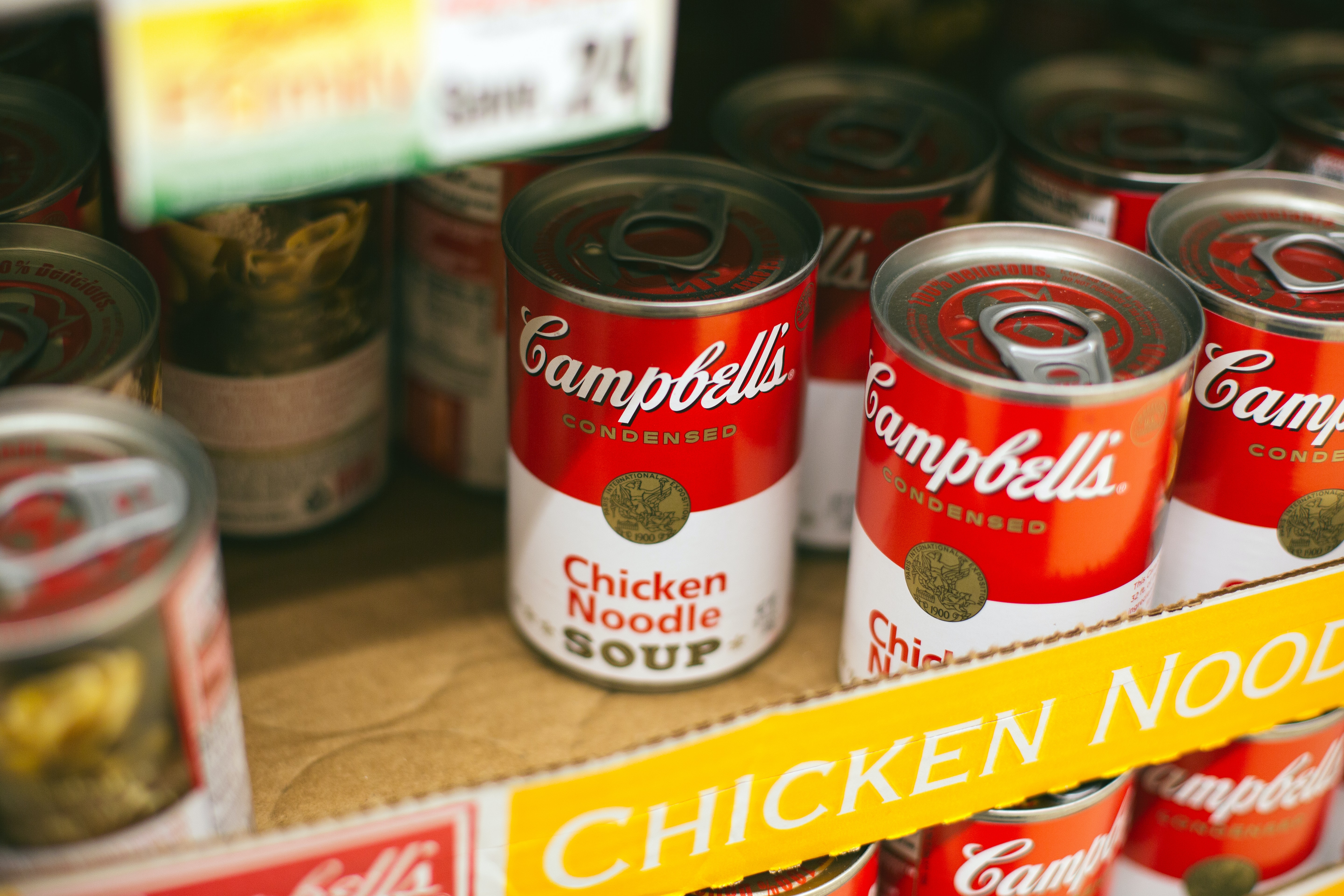
Photo by Calle Macarone on Unsplash
During the canning process, manufacturers tend to add salt, sugar, and preservatives to the canned foods. While this does not pose a risk to most people, people who are suffering from high blood pressure can be affected by it. Some of the canned foods are also high in sugar which can cause obesity, heart disease, and type 2 diabetes when consumed excessively.
In conclusion, canned foods are affordable and convenient as they are often cheaper as compared to fresh food and have a longer shelf life. They are also able to retain its nutrients which makes them an alternative some fresh or frozen food. However, canned foods do contain a significant amount of BPA which can be detrimental to your health. The best way to consume canned foods are in moderation and not excessively.
Thumbnail: Photo by Gustavo Fring from Pexels


.webp "10 Affordable Teachers’ Day Gifts Under $20 in Singapore (2026)")


 and revisit our site to complete the process.