Moldy Food Is Not Always Dangerous!
Photo by Park Street on Unsplash
Moldy food is that mushy, fuzzy, or dusty texture that we can visually identify on our food when it turns bad. Most of the time, this is a sign that we should discard it as it can produce harmful toxins when consumed. However, other types of food use mold to produce certain food, like cheese for example! Today, I would like to share with you whether mold in food is good or bad for you!
Found mold in your food?
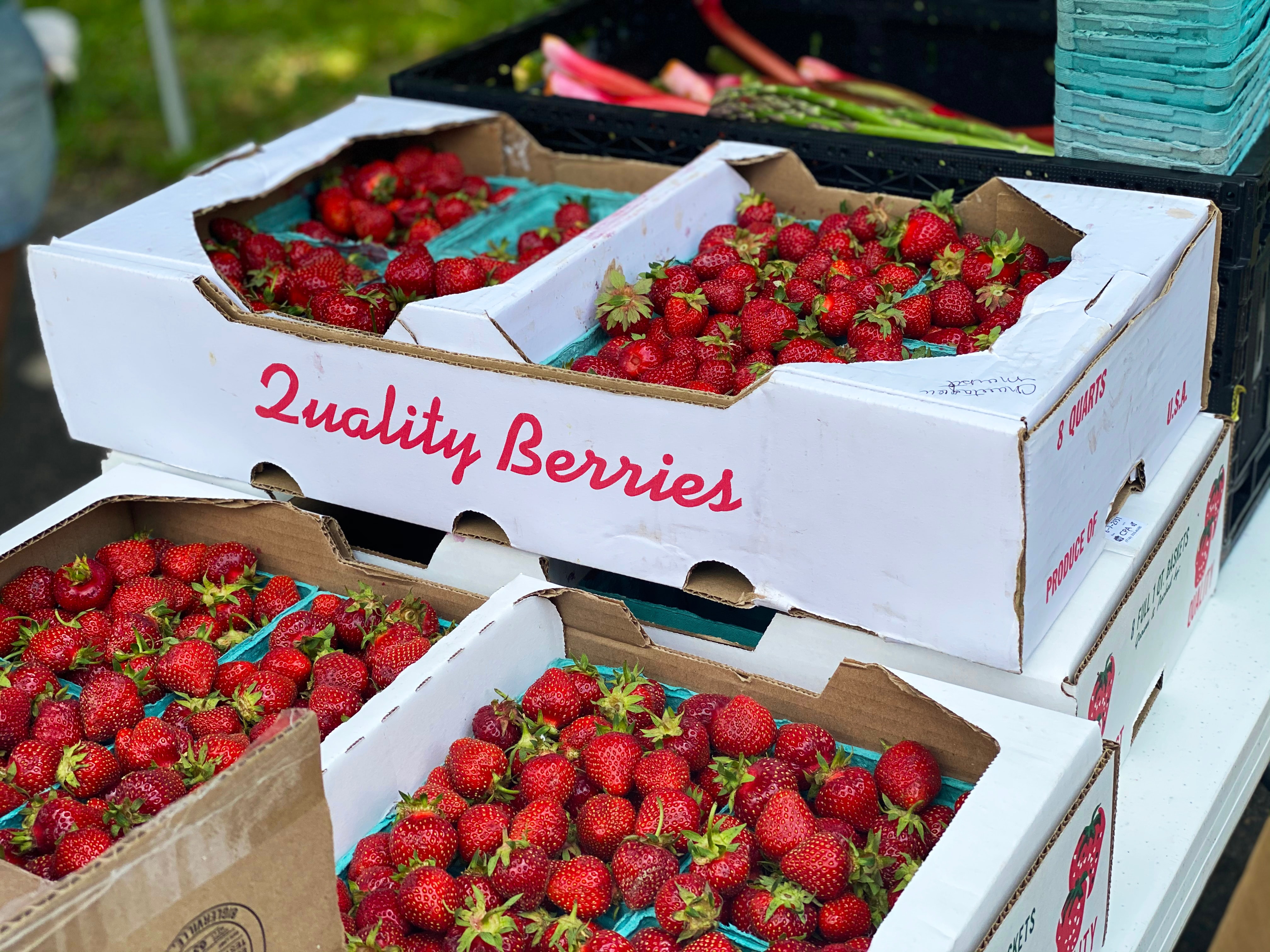
Photo by Liz Caldwell on Unsplash
If you identify that there is mold in your food, you should first classify the food into soft and hard foods. Generally, you would want to discard soft food as soft food have a high moisture content which allows the bacteria and mold to grow on and underneath the surface. Conversely, hard foods are usually the types of food that you can salvage as the mold that grows on them are easier to get rid of. This is because hard foods are harder to be penetrated by mold and you can just cut off the moldy portion. However, if the food is covered with mold, you should discard them!
Foods that you can salvage
Firm fruits and vegetables: such as apples, bells pepper, and carrot.
Hard cheese: such as Parmesan and Gorgonzola.
Hard salami and dry-cured country hams
When attempting to remove the mold from the foods, you should cut at least 1 inch (2.5 cm) around and below the mold. Also, make sure that your knife doesn't come in contact with the mold when removing it.
Foods that you should discard
Soft fruits and vegetables: such as strawberries, grapes, and tomatoes.
Bread and baked goods: mold can grow easily on both the surface and in the food itself.
Jam and jellies: If mold starts to grow in them, they may contain mycotoxins which are toxic chemicals.
Tips to prevent mold on growing on your food
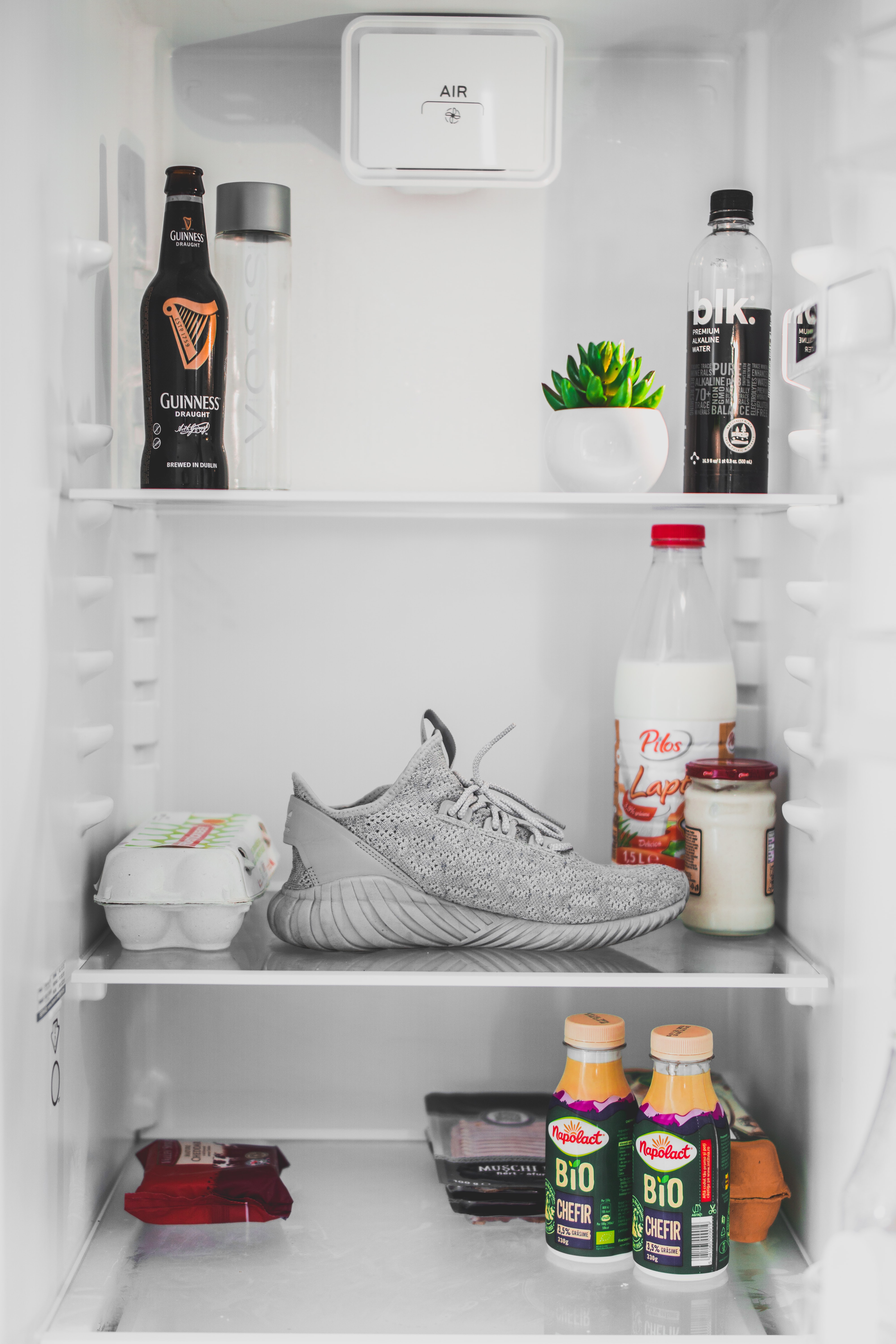
Photo by Alexandru Acea on Unsplash
Mold growth occurs when the food turns bad due to improper storage methods. It's important to clean your refrigerator from time to time as spores from moldy food can build-up in the refrigerator or common spaces.
How to clean your fridge regularly: Wipe the inside shelves and sides once every few months.
Don't let your food items rot! Certain food has a limited shelf life. You should use the items before they turn bad!
Keep perishable foods cool. You should always store food with limited shelf life as soon as possible like vegetables.
In conclusion, mold can be found in almost any food! Certain foods can be salvaged even when there is mold, you would first need to identify whether they are soft or hard food. However, if the food is covered in mold, do throw them away!
Featured Image: Photo by freestocks.org from Pexels


.webp "10 Affordable Teachers’ Day Gifts Under $20 in Singapore (2026)")


 and revisit our site to complete the process.