Hungry Ghost Festival Singapore Guide to What to Burn and What to Avoid During the 7th Month
Planning 7th Month prayers or a family gathering? FoodLine’s 7th Month catering makes it easy to compare suitable menus from caterers across Singapore, so you can spend less time preparing food and more time observing the occasion with your family.
The Hungry Ghost Festival, also known as the 7th Month or Ghost Month, is an important traditional Chinese observance celebrated by many families in Singapore. During this period, it is believed that the Gates of Hell open, allowing spirits and ancestors to visit the living.
To show respect and seek blessings, many people prepare food offerings, burn joss paper, and observe customs that have been passed down through generations. If you're participating for the first time or simply want to understand the traditions better, this guide explains what to burn, what to avoid, and how to observe the 7th Month respectfully in Singapore.
What Is the Hungry Ghost Festival?

The Hungry Ghost Festival falls on the 7th lunar month of the Chinese calendar. While the entire month is commonly referred to as Ghost Month or the 7th Month, the 15th day of the 7th lunar month is the main festival day.
According to traditional beliefs, spirits are free to roam the human world during this period. Families honour their ancestors through prayers and offerings, while additional offerings are made to wandering spirits as a gesture of respect and goodwill.
Throughout Singapore, you'll notice temporary burning bins, incense, food offerings, and colourful Getai performances held in neighbourhoods and temples.
Why Do People Burn Offerings During the 7th Month?
Burning paper offerings is a long-standing custom believed to symbolically send necessities and wealth to ancestors and spirits in the afterlife.
Although practices vary between families, the intention remains the same—to remember loved ones, express filial piety, and pray for peace and protection.
What to Burn During the Hungry Ghost Festival
Joss Paper
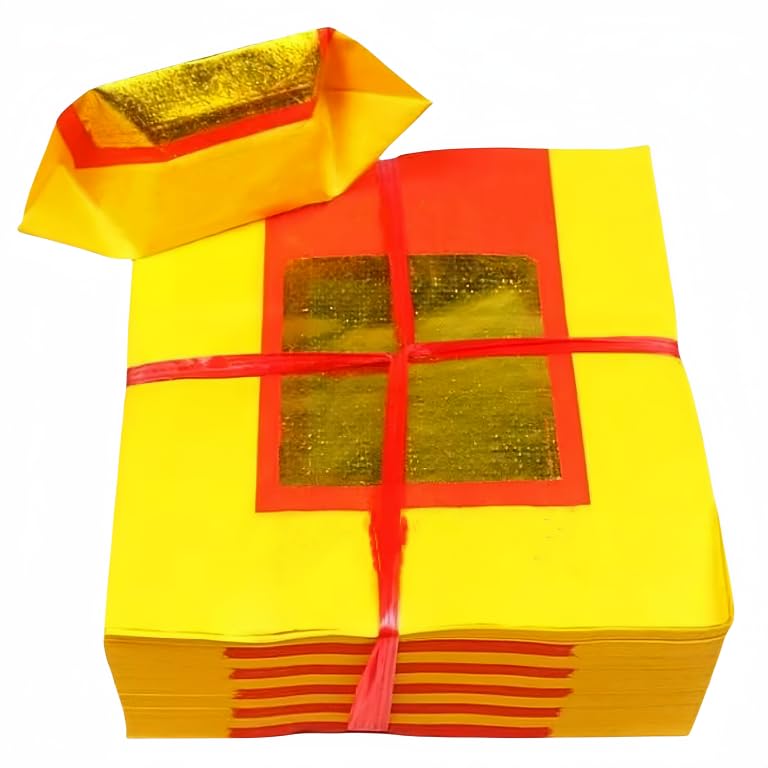
Joss paper is the most common offering burned during the 7th Month. Depending on family traditions and religious practices, different types of joss paper may be used for deities, ancestors, or wandering spirits.
Paper Money
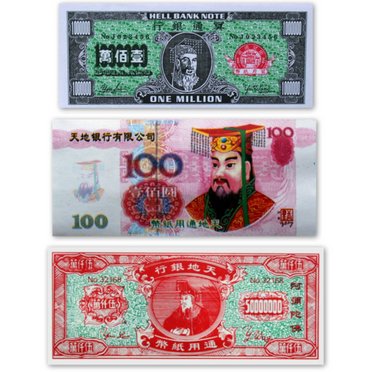
Paper money, sometimes referred to as "hell notes" or symbolic spirit money, is commonly burned together with joss paper as part of the offering ritual.
Paper Ingots

Paper ingots symbolise wealth and prosperity and are among the most popular offerings during the festival.
Paper Clothing and Daily Necessities
Many families burn paper replicas of everyday items, including:
- Clothing
- Shoes
- Blankets
- Toiletries
- Household essentials
These symbolic offerings represent care and comfort for loved ones in the afterlife.
Paper Luxury Items
Modern paper offerings can include elaborate replicas such as:
- Houses
- Cars
- Mobile phones
- Watches
- Handbags
- Home appliances
Whether these items are appropriate depends on individual family customs and beliefs.
Incense and Candles
Incense and candles are commonly lit alongside prayers and food offerings as part of the ceremony.
What Not to Burn
To ensure safety and reduce unnecessary pollution, only burn items that are intended as religious offerings.
Avoid burning:
- Plastic bags
- Styrofoam
- Household rubbish
- Batteries
- Electronic waste
- Glass or metal objects
- Aerosol cans
- Any flammable items not meant for ritual use
Burning non-offering materials can create safety hazards and environmental pollution.
Is Burning Joss Paper Allowed During the Hungry Ghost Festival in Singapore?
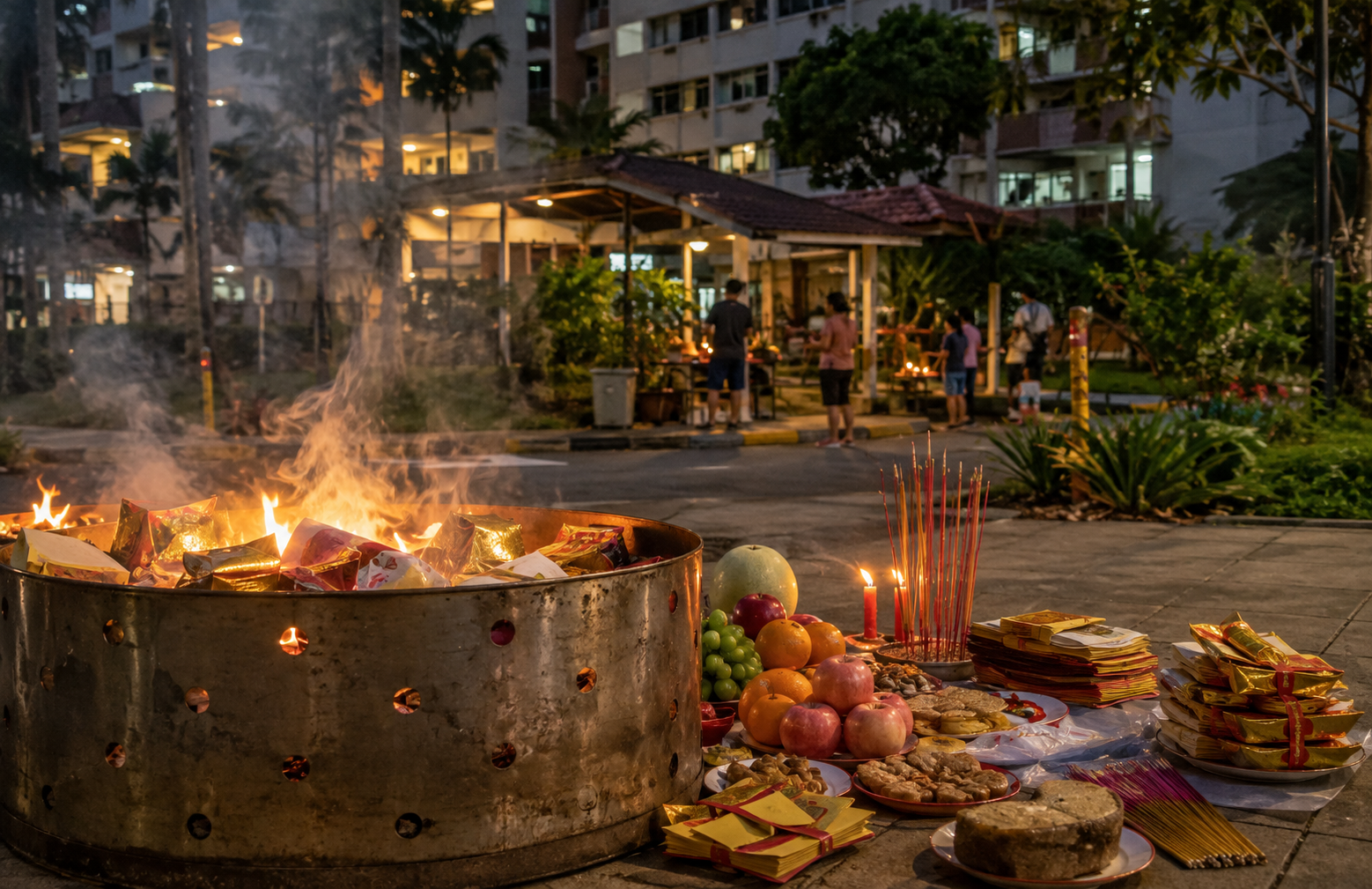
Yes. Burning joss paper and paper offerings is allowed in Singapore as part of traditional religious and cultural practices, including during the Hungry Ghost Festival.
To help reduce fire risks and minimise smoke, residents are encouraged to burn offerings responsibly. This includes using designated joss paper burning bins where available, burning only paper offerings intended for religious rituals, avoiding roads and walkways, and ensuring the fire is completely extinguished before leaving.
By following these simple practices, families can continue observing 7th Month traditions while being considerate of neighbours and the surrounding community.
Where to Burn Joss Paper During the 7th Month in Singapore
In Singapore, residents are encouraged to burn joss paper only at appropriate locations to ensure safety and minimise inconvenience to others.
Suitable places include:
- Designated joss paper burning bins provided in many HDB estates.
- Burning bins or facilities at temples.
- Private residential properties, where permitted and carried out safely.
Avoid burning offerings on roads, pavements, grass patches, near parked vehicles, or in areas that may block pedestrians. Always ensure the fire is fully extinguished before leaving and keep the surrounding area clean after burning.
7th Month Burning Etiquette
Besides knowing what to burn, it is equally important to observe proper etiquette.
Here are a few good practices:
- Burn only what is needed.
- Burn small amounts at a time.
- Keep children away from open flames.
- Ensure the fire is fully extinguished before leaving.
- Avoid disturbing other people's offerings.
- Respect different religious beliefs and family traditions.
Simple acts of consideration help preserve the tradition while maintaining harmony within the community.
Frequently Asked Questions
Can I burn offerings outside my HDB block?
Yes, provided you use designated burning bins or approved locations where available. Avoid burning directly on the ground or in places that may obstruct public walkways or create fire hazards.
Is burning joss paper compulsory?
No. Customs differ from family to family. Some households focus on prayers, incense, and food offerings without burning elaborate paper items.
Can I burn ordinary paper or cardboard?
No. Only paper offerings specifically produced for religious rituals should be burned. Household paper, cardboard, magazines, and rubbish should be disposed of through the proper waste collection channels.
Why are food offerings prepared during the 7th Month?
Food offerings are an important part of the Hungry Ghost Festival. Many families prepare cooked dishes, roast meats, rice, fruits, tea, biscuits, and other favourite foods of their ancestors as a symbolic act of remembrance and respect.
Some families prepare the food themselves, while others order catering for convenience, especially when hosting larger family prayer gatherings, temple ceremonies, or community events. The types of food offered vary according to family traditions, dialect groups, and religious practices.
Can non-Chinese participate in the Hungry Ghost Festival?
Yes. Visitors are welcome to observe the festival respectfully. If you attend a Getai performance or pass by offerings in public spaces, avoid disturbing the food, incense, or burning items. Respect local customs and follow any instructions provided at temples or community events.
7th Month Catering in Singapore

Preparing food offerings is an important part of the Hungry Ghost Festival. Whether you're holding ancestor prayers at home, organising a temple ceremony, or gathering with extended family, having enough food for everyone can take time and planning.
If you're short on time or expecting a larger gathering, ordering catering can make preparations much more convenient.
If you're considering catering instead of cooking everything yourself, browse 7th Month catering menus on FoodLine. You'll find caterers across Singapore offering dedicated 7th Month menus for family prayers, temple ceremonies, and community events. Compare menus, prices, cuisines, and customer reviews to find a caterer that suits your traditions and budget.
With FoodLine, you can:
- Compare menus from more than 500 caterers.
- Filter by cuisine, budget, and number of guests.
- Read verified customer reviews before ordering.
- Find buffet catering suitable for both family prayers and larger community gatherings.
- Receive FREE $400 HUAT! Vouchers with a minimum spend of $20.
- Earn 2× FL Coins on eligible catering orders, which can be redeemed on future purchases.
- Book online with ease.
Whether you're preparing a simple family prayer or organising a larger Hungry Ghost Festival gathering, FoodLine makes it easy to compare catering options in one place. Browse more than 500 caterers and find a menu that suits your traditions, guest count, and budget.


.webp "Mini Buffet Catering for 10–15 Pax in Singapore: Best Options for Small Groups From $11.90/pax!")
 and revisit our site to complete the process.