Pros and Cons of Drinking Coffee
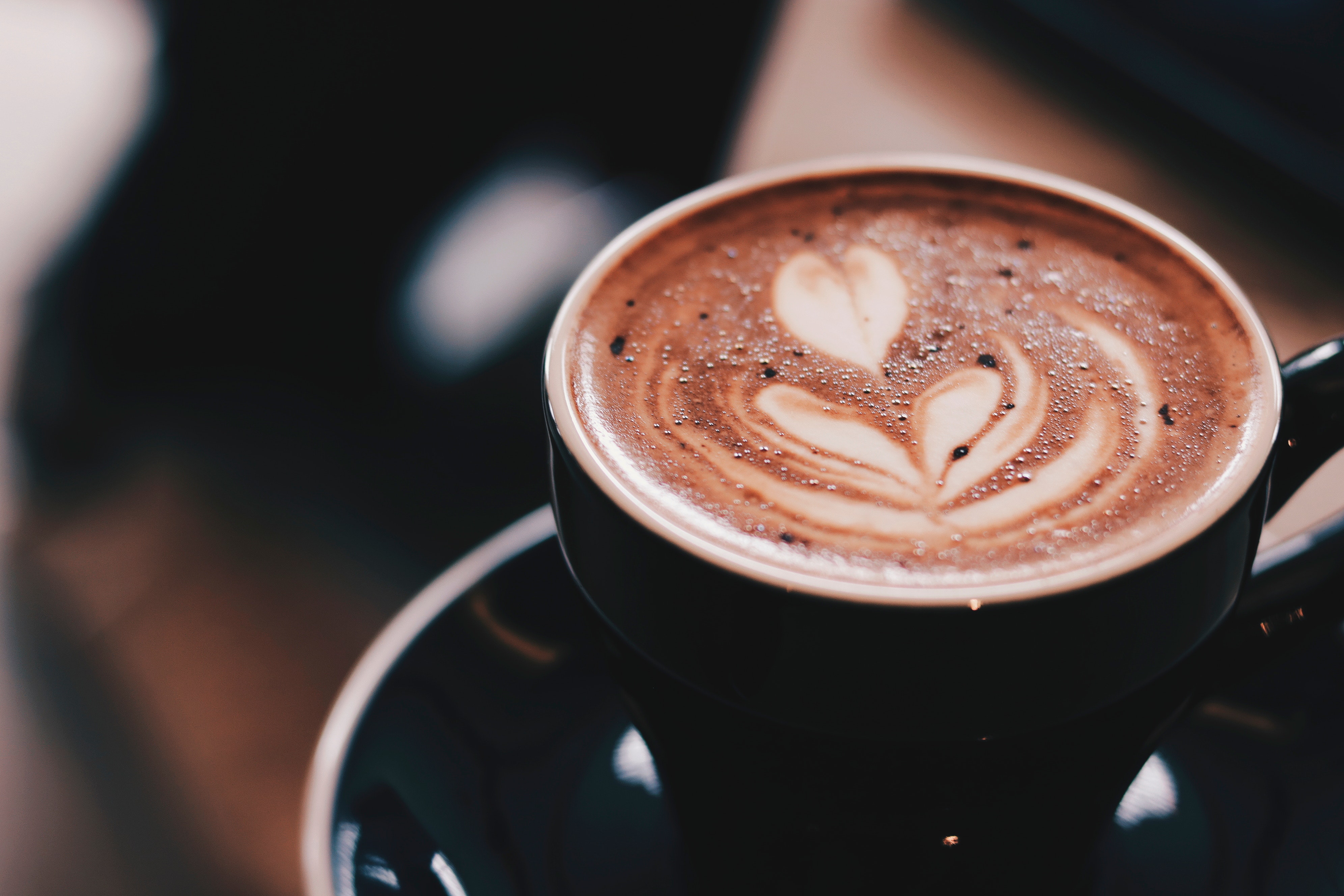
Photo by Kevin Menajang from Pexels
We are probably all too familiar with coffee. Hate it or love it, or both, we still can’t live without it. Why so? Coffee contains a psychoactive substance known as caffeine which is the most widely consumed substance in the world. Some adults depend on their daily dose of coffee to get work done to compensate for the lack of sleep from the previous night. Coffee contains several benefits that are helpful to the human body if the right dose is consumed, while it also brings several negative effects if consumed too much.
3 Benefits of Coffee

Boost Physical Performance
Research has shown that if you drink a cup of black coffee an hour before a workout, it could help to improve your performance by 11 - 12%. This is because the caffeine helps to increase the level of adrenaline in your blood.

Photo by Andrea Piacquadio from Pexels
Helps you to stay awake and focus
I'm sure that most adults who drink coffee, drink it for this sole reason of staying awake and being focused. A moderate intake of 1 - 3 cups of coffee a day can help you to focus better and improves your mental alertness.

Photo by Natasha Spencer from Pexels
May help to lose weight
If you're craving for sugary snacks or treats, drinking coffee would be a good way to get rid of that temptation. Coffee contains two substances known as magnesium and potassium which helps the body to activate insulin, resulting in balancing blood sugar levels and reduces the craving for sugary snacks.
3 Disadvantages of Coffee
Poor Quality Coffee can be harmful
Coffee that is made of low quality is harmful to the human body as it has lots of impurities in it. When consumed, these impurities have several side effects that include sickness, headache, or a general bad feeling.

Photo by Elijah O'Donnell from Pexels
Insomnia and Restlessness
The maximum amount of caffeine that a regular person should consume is 400 milligrams, which roughly equates to 4 cups of coffee. However, as each individual is different, some might be more sensitive towards the effect of caffeine. If you find yourself unable to sleep after drinking coffee, you should reduce the amount of intake and lay off coffee for a little bit.
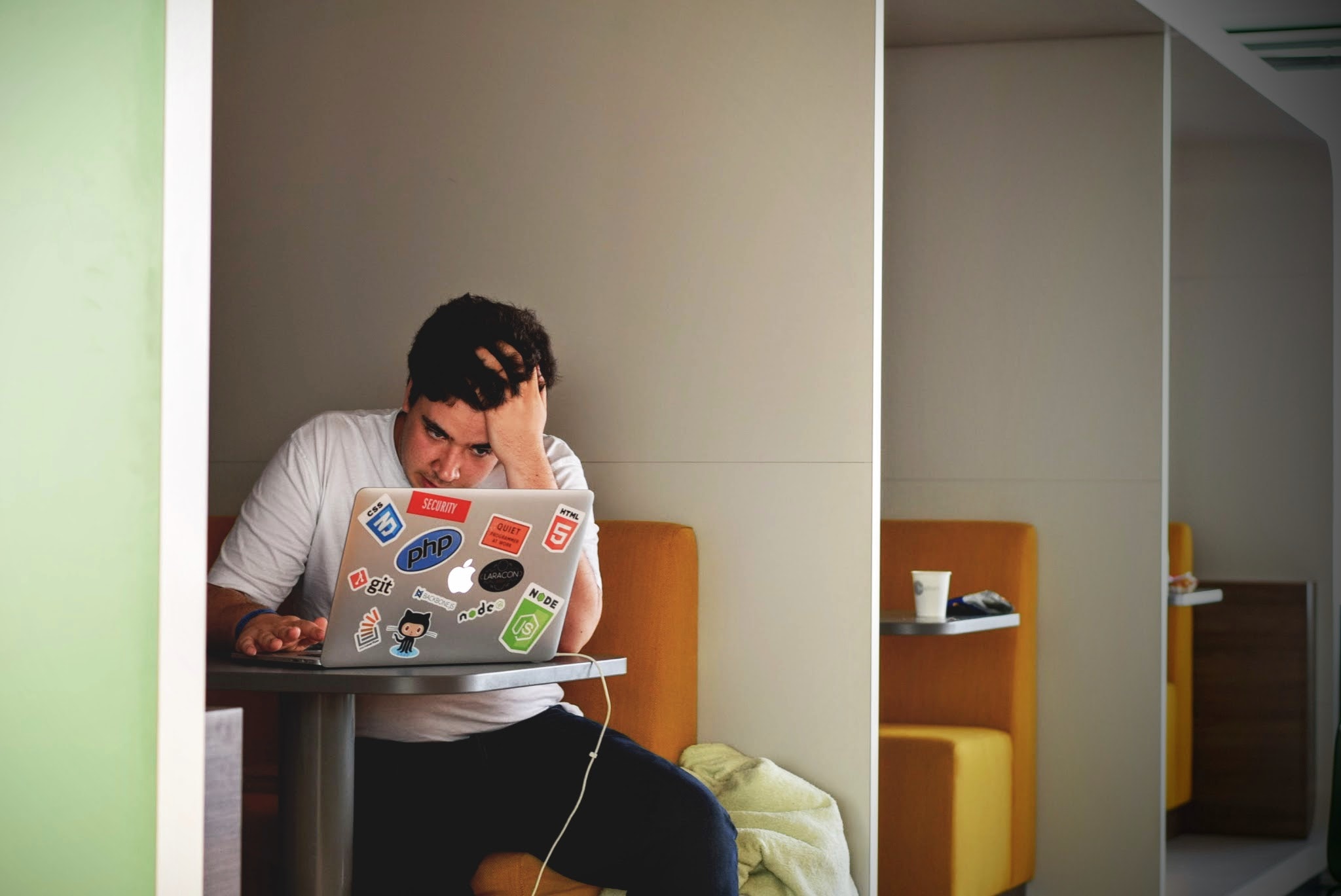
Anxiousness
According to the University of Oklahoma, caffeine can trigger symptoms of anxiety. If you're a person who suffers from anxiousness previously, it's more likely that you would be prone to suffer a relapse. Should you really need your caffeine intake, tea is a great alternative as it provides both caffeine and calming effects.
In conclusion, coffee has several advantages and disadvantages. Coffee does help you improve your physical performance and alertness which is crucial for getting work done. However, you shouldn't drink coffee every day as it has side effects like insomnia, restlessness, and anxiousness. Thus, you should drink coffee in moderation and only on days where you need it!


.webp "10 Affordable Teachers’ Day Gifts Under $20 in Singapore (2026)")


 and revisit our site to complete the process.